Character Device Drivers Linux Usb
Device Driver Support QuickLinks: Host Controller, Device Controllers, Class drivers, Vendor device drivers [ Imaging, 'Multimedia', Network, Ports, Other ] This page mainly lists the support quality of various USB device classes.
I have a Linux kernel module that implements a character device driver. I've read through and followed several tutorials. At this point, I have a simple module that provides open, release, and write file operations.
I'm trying to use the Generic DMA Layer to create a streaming DMA mapping. I'm confused by the following excerpt from LDD: Many of the functions below require a struct device. This structure is the low-level representation of a device within the Linux device model. It is not something that drivers often have to work with directly, but you do need ot when using the generic DMA layer. Usually, you can find this structure buried inside the bus specific that describes your device.
For example, it can be found as the dev field in struct pci_device or struct usb_device. I read further into the Linux device model, and encountered the following: At the lowest level, every device in a Linux system is represented by an instance of struct device. How can I get the struct device for my character device? Is there one being created for me behind the scenes, or do I need to create it?
I tried manually creating a class with class_create() and then using that to create a device with device_create(), but when I used that device to set up DMA mappings I think I just got a bogus address. Is this the correct approach?
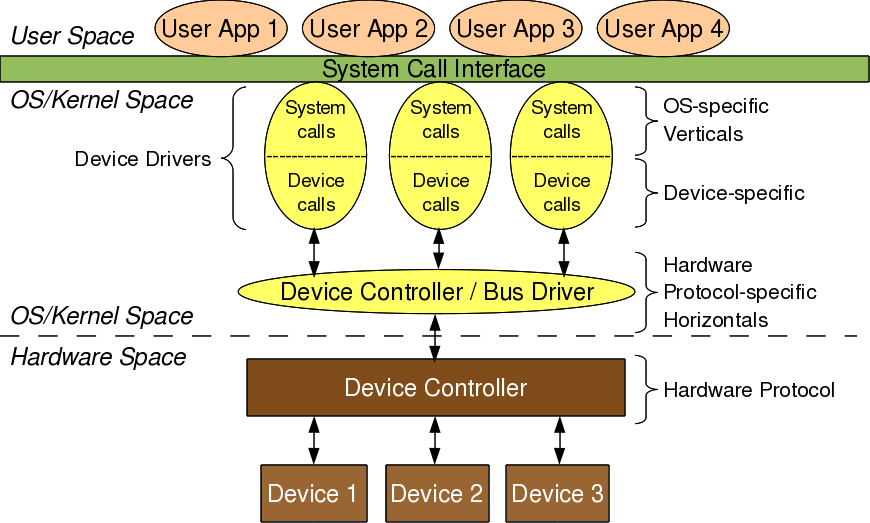
For a little bit more information about my platform, I'm working on the Altera SoCFPGA platform (ARM), so my device isn't a true hardware device like a USB or PCI device, but rather logic implemented in an FPGA. I found a lot of info in that I think may be relevant (buses, devices, drivers, etc.), but I'm just not sure when or how to use it. To me, it seems like that chapter is discussing a lot of data structures that all devices and drivers use, but I'm confused because I haven't had to make use of any of it. I ended up creating a platform driver and platform device.
The platform device struct has it's own struct device associated with the platform bus, which is a 'pseudo-bus' designed exactly for things like this. The official for platform drivers was helpful here.
Adobe premiere pro cs6 vsti downloads. In the end, my module ended up implementing both a platform driver and a character device driver. The part that gave me the most trouble was creating a platform device and associating it with my platform driver. I started by just manually creating the device (at module install time) with platform_device_alloc and platform_device_register. Once I had this working I ended up removing the manual device creation and instead relying on a device tree entry to create my device.
These both files are related to writing data and reading data from one place to other place. But the difference between them is how they read/write data. Character file: A char file is a hardware file which reads/write data in character by character fashion. Some classic examples are keyboard, mouse, serial printer. If a user use a char file for writing data no other user can use same char file to write data which blocks access to other user. Character files uses synchronise Technic to write data. Of you observe char files are used for communication purpose and they can not be mounted.